Future of Work
We work with industry leaders and our existing customers to explore synergies on changing technology landscape.
Connect with usAs the technology landscape is moving from Mobile-first to an AI-first world, businesses are recognizing the need of dedicated artificial intelligence teams. Lots of scholars and business leaders argue that in the immediate future, all the tech enabled businesses will have ‘Chief of AI‘. We are working with our customers to research how Data Science and AI applications will impact their businesses.
Data Science & Macine Learning @ Venture7®
As the future Data Science projects will scale to new heights, more human experts will be required to handle highly complex tasks very efficiently. However, according to the McKinsey Global Institute (MGI), the next decade will witness a sharp shortage of around 250,000 Data Scientists in the U.S. alone.
With the quality of the algorithms maturing and affordability of tools on cloud, we are deploying machine learning algorithms for predictive data insight. Our teams are trained to use all leading cloud platforms to deploy the big data and process it for meaningful business insights.

Chatbots Defining The Future of Work
We see AI transforming every industry. Peek inside an AI-enabled hospital, an AI-assisted retail store and a predictive analytics system that talks. Pursuing the same goal, we are implementing chatbots across industry verticals; be it a mobile app for services, a user interaction with healthcare companies or brokers reaching out to their realtor. We work in line with our customer requirements to design various chatbots on leading platforms to help them grow their businesses. Our chatbots can be integrated with websites or even with other messenger apps like WhatsApp, Facebook.
You May Like This

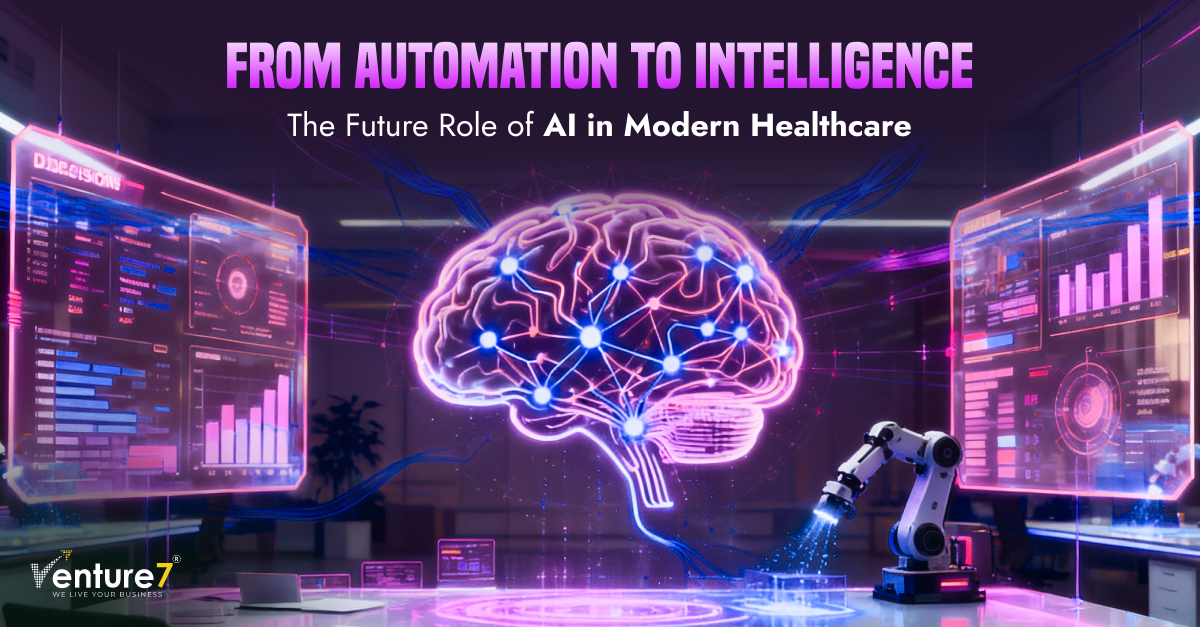
From Automation to Intelligence: The Future Role of AI in Modern Healthcare
For more than two decades, healthcare organizations have invested heavily in automation—digitizing records, streamlining billing, and standardizing workflows. Electronic Health Records (EHRs), rule-based alerts, and robotic process automation (RPA) have improved efficiency, but they have also revealed a critical limitation: automation executes tasks, it does not think. Modern healthcare systems face pressures that automation alone […]

How Is Data Warehouse Different From Database?
Various industries require huge amount of data to store and process information and carry out various business practices on the basis of any gathered data. The data stored is used in predicting future trends, consumer behaviour and other important aspects of the industry. Industries need huge systems to store this data and use it whenever […]

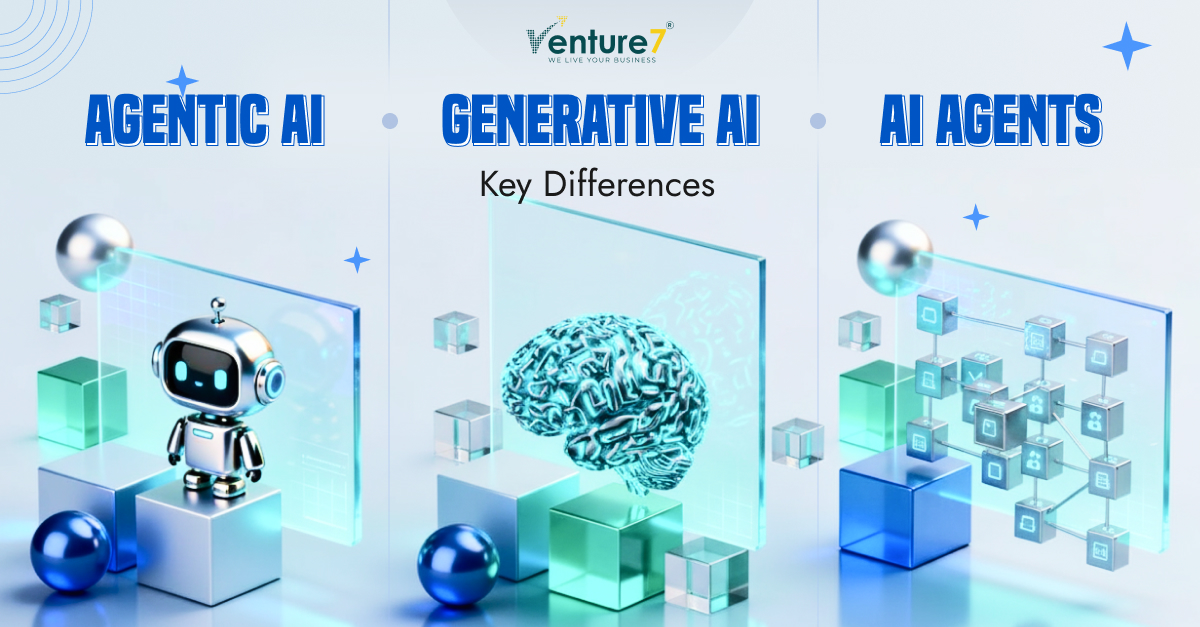
Agentic AI vs Generative AI vs AI Agents: Key Differences
The rapid rise of enterprise AI has introduced a wave of overlapping terminology—generative AI, AI agents, agentic AI, autonomous AI systems, agent-based architectures, and more. Yet despite widespread usage, these terms are often confused or misrepresented. Vendors frequently label simple automation scripts or LLM-powered chatbots as “agentic AI,” even when they lack true autonomy or […]

How Are Machine Learning Algorithms Benefiting Data Visualization?
There is an enormous amount of data available with organizations that are gathered from multiple sources that need to be analyzed to leverage useful information from the data. The data is built into a model to predict future information with the use of technologies, such as data cleaning, data visualization, data acquisition, etc. to get […]

How Technology Is Shifting From Quality Assurance To Quality Engineering?
Developing software involves operations on various stages and industries are continuously looking for different ways to bring efficiency in this process and meet the demands of the end users. The software development market is striving towards the use of advanced technologies and applications to make a mark in the industry. Technologies such as software quality […]

Top 10 RPA use cases in the Insurance industry
The workflows in the Insurance industry are such that a large part of the workforce is heavily burdened with manual, mundane tasks. Manpower resources, that could have been utilized for more value-added tasks are allocated to plain and repetitive work. This impacts the organization’s efficiency as more critical tasks that require the intellectual faculties of […]